
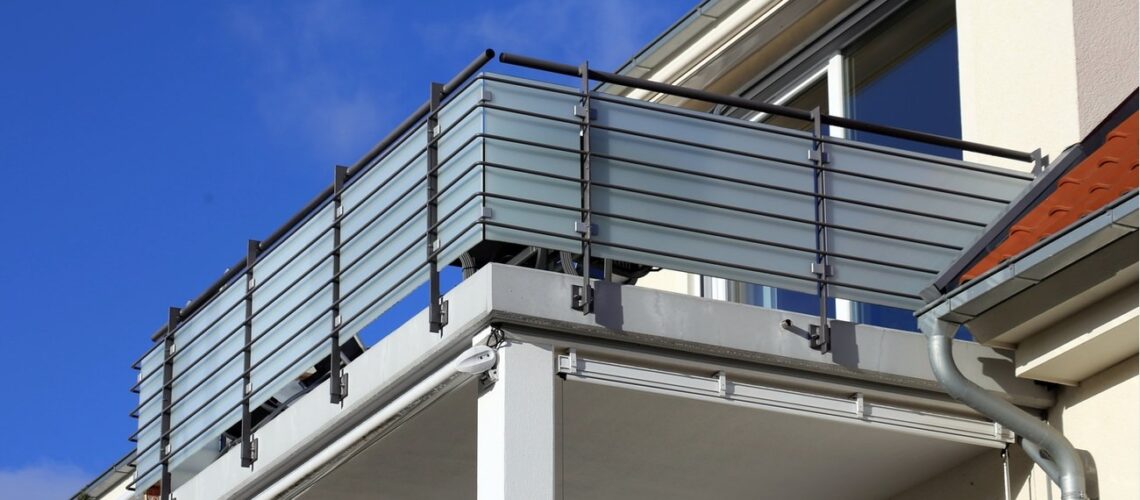

If you’re pricing aluminum railings in Alberta, you’ve probably heard they’re maintenance-free. That’s close, but not quite right. The aluminum itself won’t rot, warp, or rust the way wood and steel do. The powder-coated finish on top of it is a different story. It’s a layer of cured paint, and over a decade of prairie sun, hail, freeze-thaw swings, and ice melter, it slowly changes.
This guide explains what actually happens to powder coating over 10+ years in Alberta, how to tell normal aging from real damage, and the small amount of yearly care that keeps a railing looking good for decades. By the end, you’ll know what to expect before you buy, what to ask a supplier, and what to do if the finish chips, fades, or starts to bubble.
Quick Summary
- Aluminum railing is low-maintenance, not maintenance-free. The metal lasts for decades, but the powder coat needs basic care.
- Alberta’s biggest finish stressors are high-elevation UV, hail, frequent freeze-thaw cycles, and chloride de-icers tracked onto decks.
- Normal aging looks like slight gloss loss and light chalking, usually most visible on dark colours on south- and west-facing runs.
- Real problems are chips, scratches down to bare metal, and bubbling or thread-like corrosion spreading under the coating.
- A 20-minute rinse and inspection each spring and fall prevents most finish failures.
- Chips should be touched up within weeks, not years, because corrosion can spread underneath from the exposed edge.
- Before buying, ask which coating performance specification the finish meets and what the finish warranty covers.
The Short Answer: Low-Maintenance, Not No-Maintenance
Aluminum naturally forms a thin oxide layer that protects it from the kind of flaking red rust you see on steel. That’s why an aluminum railing frame can outlast several wood decks.
Powder coating is added for colour and extra protection. It’s applied as a dry powder, then baked so it flows into a hard, continuous film. A quality powder coat is far tougher than brushed-on paint, but it’s still an organic coating. Sunlight breaks down its surface over time, and anything that cracks the film lets moisture and salts reach the metal underneath.
So the honest answer is this: the structure needs almost nothing, and the finish needs a little. Most owners who skip that little bit don’t see problems for five or six years. Then chalking, stains, and small corrosion spots start showing up all at once.
What Alberta Weather Actually Does to Powder Coating
Alberta’s climate is hard on finishes in a specific way. It isn’t humid or salty like the coast, but it combines intense sun, sudden temperature swings, and heavy winter chemical use.
UV at Elevation: Chalking and Gloss Loss
Calgary sits above 1,000 metres, and much of the province gets long stretches of clear, sunny weather. Higher elevation and clear skies mean more UV reaching your railing. UV slowly breaks down the resin at the coating’s surface, which shows up as:
- A duller finish (gloss loss)
- A fine, powdery residue that rubs off on your hand (chalking)
- Colour shift, most noticeable on black, dark bronze, and bold custom colours
This is cosmetic. It doesn’t mean the railing is failing, but it’s the first sign that the finish is aging.
Freeze-Thaw and Chinook Swings
Southern Alberta’s chinooks can move temperatures from well below freezing to above it within hours, many times each winter. Aluminum expands and contracts with each swing. A well-bonded coating flexes with it. A coating with a small chip or a poorly sealed cut end doesn’t. Water gets in, freezes, and slowly lifts the film at the edge.
Hail
The corridor between Calgary and Red Deer is one of the most hail-prone regions in Canada. Large hail can dent top rails and crack the coating on horizontal surfaces. Those cracks are small, easy to miss, and exactly where corrosion starts.
De-Icers and Road Salt
Calcium chloride and magnesium chloride ice melters are common on Alberta steps and walkways. Chlorides don’t damage an intact powder coat much, but they accelerate corrosion anywhere the metal is exposed. Railings on front steps, near driveways, and at the base of stairs take the most abuse.
Hard Water and Sprinklers
Many Alberta municipalities have hard water. Lawn sprinklers that hit the railing every day leave mineral spots that bake on in the sun. Over years, those deposits dull the finish and are harder to remove than dirt.
A Realistic 10+ Year Timeline for Powder-Coated Aluminum in Alberta
This table shows what an owner can typically expect from a quality powder-coated railing that gets basic care, versus one that gets none. Actual results vary with coating quality, colour, and exposure.
| Years | With Basic Care | With No Care |
| 0–2 | Finish looks new; occasional dirt and water spots | Dirt, pollen, and sprinkler spots build up; small install scratches left untreated |
| 3–5 | Slight gloss loss on sunny runs; finish still uniform | Visible chalking on dark colours; first corrosion specks at untreated chips |
| 6–10 | Mild fading on south/west exposures; chips caught and touched up early | Bubbling or thread-like corrosion spreading from chips and cut ends; stained base plates |
| 10+ | Structure sound; finish may look aged but still protective | Sections may need professional refinishing or replacement to restore appearance |
The gap between the two columns is mostly created by a few minutes of cleaning and prompt chip repair.
The Alberta Exposure Score: A Framework for Rating Your Railing
Not every section of railing ages at the same rate. A shaded back deck behaves very differently from a south-facing front step next to a salted driveway. This original scoring framework helps you decide how often each part of your railing needs attention.
Score each railing run (for example, front steps, upper deck, side stairs) on the five factors below, then add the points.
| Factor | 0 Points | 1 Point | 2 Points |
| Sun exposure | Mostly shaded | East-facing or partial sun | South- or west-facing, full sun |
| De-icer contact | No salted surfaces nearby | Occasional use on nearby steps | Salted steps, driveway, or walkway directly beside rail |
| Water exposure | Covered or sheltered | Rain only | Sprinklers, roof runoff, or snow piled against base |
| Hail exposure | Under a roof or overhang | Partially sheltered | Fully open to the sky |
| Colour | White or light | Mid-tone or bronze | Black or dark custom colour |
How to Use Your Score
- 0–3 (Low exposure): One inspection and wash per year, in spring.
- 4–6 (Moderate exposure): Spring and fall wash and inspection.
- 7–10 (High exposure): Spring and fall wash, plus a quick rinse after winter thaws and a check after every significant hailstorm.
The score also helps when planning a new project. If a run scores 7 or higher, a lighter colour, a covered location, or a plan to keep ice melter off the rail can noticeably extend how new the finish looks.
Annual Railing Care Checklist: Step by Step
This routine takes about 20–30 minutes for a typical residential deck. Do it in late spring after the last freeze and in early fall before the first snow.
- Rinse the whole railing with a garden hose on a normal spray setting to remove grit and loose salts.
- Wash with mild soap (a few drops of dish soap in warm water) using a soft cloth or non-scratch sponge. Work top rail first, then pickets or glass frames, then posts and base plates.
- Rinse again thoroughly so no soap film dries on the surface.
- Wipe base plates and bottom channels dry. This is where salt and water collect.
- Inspect under good light. Run your hand along the top rail and look closely at:
- Chips or scratches down to bare metal
- Bubbling, blistering, or thin thread-like lines under the coating
- Cracks on horizontal surfaces after hail
- Loose fasteners or wobble at posts
- Mark any damage with painter’s tape so you don’t lose track of it.
- Touch up bare-metal spots the same week (see the repair section below).
- Check glass panels if you have a glass system: clean with a non-ammonia glass cleaner and confirm gaskets and clips are seated.
- Clear snow-pile zones in fall. Note where snow will be shovelled and plan to keep piles and ice melter away from the base of the rail.
If your railing came with an assembly or product manual, keep it with your records. McLean Railings posts its product documentation on its manuals page, which is useful for checking hardware and component details before any repair.
Local Considerations for Calgary, Edmonton, and Across Alberta
A few practical realities shape how railings age and how repairs work in this province.
Calgary and Southern Alberta
Chinook freeze-thaw cycles and high hail frequency make horizontal top rails the most vulnerable surface. Post-storm inspections matter more here than almost anywhere else in the country.
Edmonton and Central Alberta
Longer, colder winters mean heavier and longer de-icer use on steps and entries. Homeowners in the capital region should pay particular attention to stair railings and base plates. You can see product options for the area on McLean Railings’ Edmonton deck railing page.
Custom Colours and Future Repairs
Powder coat can’t be repaired with powder on site. It needs a matching liquid touch-up paint or professional refinishing. Custom colours can vary slightly from batch to batch. If you choose a custom shade, it’s worth asking for touch-up paint at the time of purchase and keeping a record of the exact colour code. McLean’s standard colours (white, yard bronze, and black) are listed alongside custom options on its features and colours page.
Installation Timing
The coating itself isn’t harmed by cold, but concrete anchors, adhesives, and sealants often have minimum application temperatures. Winter installs can be done, but the details around base plates deserve extra attention because that’s where water and salt collect first.
Wood Deck Contact
Some copper-based wood preservatives used in pressure-treated lumber can corrode aluminum where the two stay in wet contact. Base plates are designed to mount properly, but avoid leaving cut aluminum pieces or offcuts lying against treated wood.
Questions to Ask Before You Buy Aluminum Railing
Two railings can look identical on day one and age very differently. The difference is usually the coating system and pretreatment underneath. Ask any supplier:
- Which coating performance specification does the finish meet? The Fenestration and Glazing Industry Alliance (FGIA) publishes the AAMA 2603, 2604, and 2605 specifications, which describe good, better, and best tiers of organic coatings on aluminum.
- What pretreatment is used before coating? Pretreatment strongly affects adhesion and resistance to spreading corrosion.
- What does the finish warranty cover, and for how long? McLean Railings, for example, lists a 5-year warranty on powder coating and a 1-year labour warranty performed by its technicians.
- Are joints welded or mechanically fastened? Welded pickets and bottom tabs leave fewer seams where water can sit.
- Is matching touch-up paint available for your colour?
Planning a new deck or replacing tired railing? Compare picket and glass options on the aluminum picket railing and glass railing pages, then request a free quote with your measurements and preferred colour.
Common Mistakes
These are the habits that shorten finish life most often:
- Pressure washing up close. A narrow, high-pressure tip held near the surface can lift coating at edges and chips. Use a garden hose or a wide fan tip held well back.
- Using abrasive cleaners. Scouring pads, steel wool, and gritty powders scratch the finish and speed up dulling.
- Throwing ice melter directly against the rail. Chlorides pool at base plates and attack any exposed metal.
- Piling snow against posts all winter. Constant wet contact plus salt is the harshest condition a railing faces.
- Ignoring small chips. A chip the size of a fingernail can become a spreading corrosion patch within a few seasons.
- Using mismatched fasteners. Plain steel screws in contact with aluminum can cause galvanic corrosion and rust staining. Use the hardware specified for the system.
- Leaving sprinklers aimed at the railing. Daily mineral deposits bake on and permanently dull the surface.
- Mistaking chalking for failure. Light chalking is normal aging. Replacing sound railing for cosmetic chalking often wastes money.
What To Do If Something Goes Wrong
Match your response to what you’re actually seeing.
Light Chalking or Dullness
Wash with mild soap and water. For stubborn chalking, a non-abrasive automotive cleaner and wax can restore some depth and add a protective layer. Test on a hidden spot first.
Mineral Spots From Sprinklers
Try a diluted white vinegar solution on a soft cloth, then rinse well with clean water. Redirect the sprinkler.
Chips or Scratches to Bare Metal
- Clean the area with soap and water, then dry.
- Lightly scuff the edge of the chip with fine sandpaper to remove any loose coating.
- Wipe with isopropyl alcohol.
- Apply colour-matched touch-up paint in thin coats, letting each dry.
- Do this in dry weather above the paint’s minimum application temperature.
Bubbling or Thread-Like Lines Under the Coating
This usually means corrosion is spreading beneath the film. Touch-up paint over the top won’t stop it. Document the area with photos and contact your supplier. If it’s widespread, the section may need professional stripping and refinishing.
Hail Dents or Cracked Coating
Photograph the damage with a date, check whether your home insurance covers it, and contact the supplier for replacement parts or sections.
Loose Posts or Wobble
This is a safety issue, not a cosmetic one. Stop leaning on that section and have it checked and re-secured before regular use.
Finish Issues Within the Warranty Period
Gather your purchase records, photos, and a short description of when you noticed the problem before calling. Clear documentation makes warranty review faster.
Not sure if your railing needs repair or replacement? Send photos and your railing dimensions through the McLean Railings quote request form to get advice on replacement sections or a full upgrade.
Frequently Asked Questions
Is aluminum railing completely maintenance-free?
No. Aluminum railing is low-maintenance, not maintenance-free. The metal won’t rot or rust like wood or steel, but the powder-coated finish benefits from washing once or twice a year and prompt touch-up of any chips.
How long does powder coating last on aluminum railing in Alberta?
A quality powder coat that gets basic care can stay protective for well over 10 years. Expect some gloss loss and light chalking over time, especially on dark colours in full sun. Lifespan depends heavily on coating quality, colour, and exposure to de-icers and hail.
Does aluminum railing rust?
Aluminum doesn’t form red rust the way steel does. It can still corrode, usually as white oxide or thread-like corrosion spreading under the coating from chips and cut edges. Rust-coloured stains on aluminum railing usually come from steel fasteners or nearby metal.
What should I use to clean powder-coated aluminum railing?
Use warm water with a few drops of mild dish soap and a soft cloth or non-scratch sponge. Rinse thoroughly afterward. Avoid abrasive pads, harsh solvents, and close-range pressure washing.
Will ice melter damage my aluminum railing?
Chloride-based ice melters don’t do much to intact powder coating, but they speed up corrosion anywhere the metal is exposed. Keep de-icer and salted snow away from base plates and rinse the railing each spring. Touch up any chips before winter.
Can I repair chipped powder coating myself?
Yes, small chips can be repaired with colour-matched touch-up paint after cleaning and lightly scuffing the area. Powder can’t be reapplied on site, so larger damage or spreading corrosion usually needs professional refinishing or replacement parts.
Does railing colour affect how the finish ages?
Yes. Dark colours like black show chalking and fading more visibly than white or light shades, especially on south- and west-facing runs. Colour doesn’t change how strong the railing is, only how noticeable surface aging becomes.
Should I choose a railing based on the coating specification?
It’s a good idea. Ask which performance specification the finish meets, what pretreatment is used, and what the finish warranty covers. These details tell you more about long-term appearance than the colour sample does.
Conclusion
Aluminum railing earns its low-maintenance reputation. The metal structure handles Alberta winters, chinooks, and summer sun far better than wood or steel. The powder-coated finish is the part that ages, and it ages predictably: gloss loss and chalking from UV, and spreading corrosion only where chips, cracks, and salts are left alone.
A twice-yearly wash, a close look after hail, keeping de-icer off the base plates, and fast touch-ups are enough to keep a quality powder coat protective well past the 10-year mark. Use the exposure score to focus your effort where it matters most, and ask the right coating questions before you buy.
Ready to choose a railing built for Alberta weather? McLean Railings supplies powder-coated aluminum picket and glass railing systems across Western Canada, with standard and custom colours. Request a free quote today and get a system sized for your deck, stairs, and exposure.