
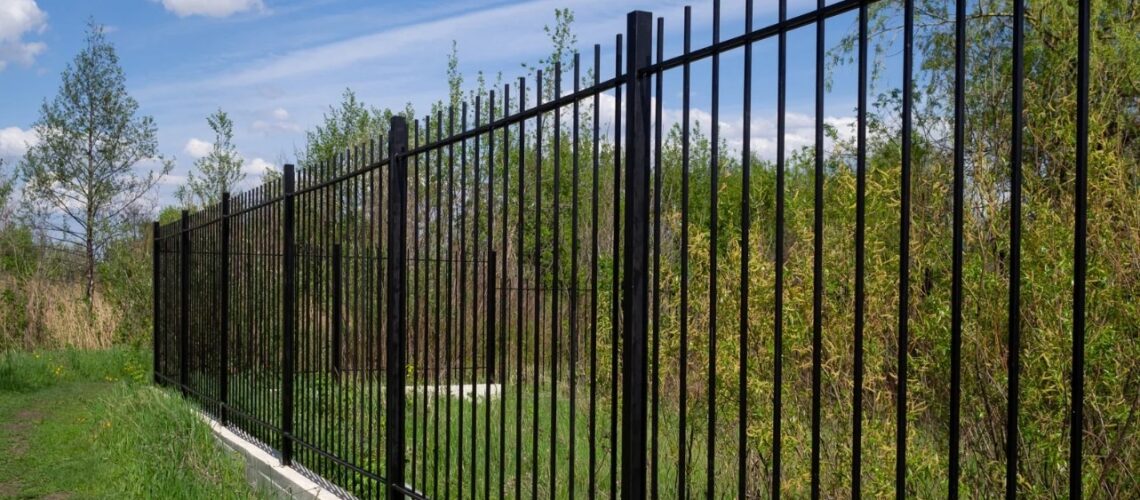

Quick Summary of Lifecycle Benefits
- Longevity: Aluminum systems last 30+ years, while pressure-treated wood often requires replacement after 10–12 years in Alberta.
- Maintenance: Aluminum requires zero staining or sealing, saving homeowners an average of $2,400 in labour and materials over a decade.
- Sustainability: Aluminum is 100% infinitely recyclable, whereas treated wood is classified as hazardous waste due to chemical leaching.
- Safety: Aluminum does not warp, rot, or splinter, maintaining its structural integrity against high-velocity winds and heavy snow loads.
- Resale Value: Modern aluminum and glass systems offer a significantly higher return on investment (ROI) during home appraisals.
- Code Compliance: Factory-engineered systems provide guaranteed compliance with 2026 National Building Code safety standards.
Homeowners in Western Canada often face a difficult decision during deck renovations: should they save money today with pressure-treated wood or invest more upfront in aluminum? If you are currently weighing these options, your goal is likely to find a solution that balances aesthetic appeal with long-term financial sanity. In the volatile climate of Alberta, where temperatures can swing 40 degrees in a single day, the choice of railing material is not just a design preference; it is a structural and financial strategy.
By the end of this guide, you will understand why the 2026 shift toward circular construction makes aluminum the only viable choice for sustainable property management.
The Upfront Illusion vs. The 20-Year Reality
The most common mistake in residential construction is focusing on the cost of materials at the checkout counter rather than the total cost of ownership. In 2026, the price of pressure-treated lumber remains lower than architectural-grade aluminum, but this gap closes rapidly once the installation is complete.
Pressure-treated wood typically costs between $25 and $45 per linear foot installed. In contrast, high-performance Aluminum Railing Systems roughly range from $65 to $130 per linear foot, depending on the complexity and finish. While the initial investment for aluminum is roughly double, the lifecycle math tells a different story.
Wood is a biological material that begins to degrade the moment it is exposed to the elements. In the high-altitude UV environment of regions like Calgary and Edmonton, wood fibres undergo lignin degradation, leading to checking, splitting, and structural weakening. To combat this, homeowners must sand, clean, and re-stain their railings every 24 to 36 months.
The Maintenance Math Breakdown
Consider a standard 40-linear-foot railing.
- Wood Maintenance: A professional staining job in Alberta currently averages $4 to $7 per linear foot for labour and high-quality oil-based stains. Over 20 years, with seven maintenance cycles, the homeowner spends an additional $3,500 to $4,500 just to keep the wood from rotting.
- Aluminum Maintenance: The maintenance schedule for powder-coated aluminum consists of a simple rinse with a garden hose once a year to remove dust and salt. The total cost over 20 years is effectively zero.
By year seven, the aluminum railing has paid for its premium. By year fifteen, the wood railing usually requires a full structural replacement, effectively tripling the original cost.
Sustainability and the Circular Economy in 2026
Sustainability in 2026 is no longer a buzzword; it is a regulatory and ethical requirement. When evaluating the Lifecycle Cost of aluminum railings vs. wood, one must account for the environmental legacy of the materials.
The Toxicity of Treated Lumber
Pressure-treated wood is infused with chemical preservatives like Alkaline Copper Quaternary (ACQ) or Copper Azole (CA). While these modern formulations are safer than the arsenic-heavy CCA treatments of the past, they are not benign. These chemicals are designed to be toxic to fungi and insects, and they inevitably leach into the surrounding soil and groundwater over time. Furthermore, at the end of its life, treated wood cannot be burned or composted; it must be disposed of in specific landfill cells designated for hazardous construction waste.
The Infinite Lifecycle of Aluminum
Aluminum is often referred to as the green metal. Approximately 75% of all aluminum ever produced is still in use today because it can be recycled repeatedly without losing its physical properties. Choosing aluminum contributes to a circular economy. When a building is eventually decommissioned, the railings can be melted down and repurposed into new products with minimal energy expenditure.
According to The Aluminum Association, recycling aluminum requires 95% less energy than producing primary aluminum from bauxite ore. This makes it a foundational component for any homeowner aiming for a net-zero or low-impact renovation.
Engineering for the Alberta Climate: UV, Salt, and Chinooks
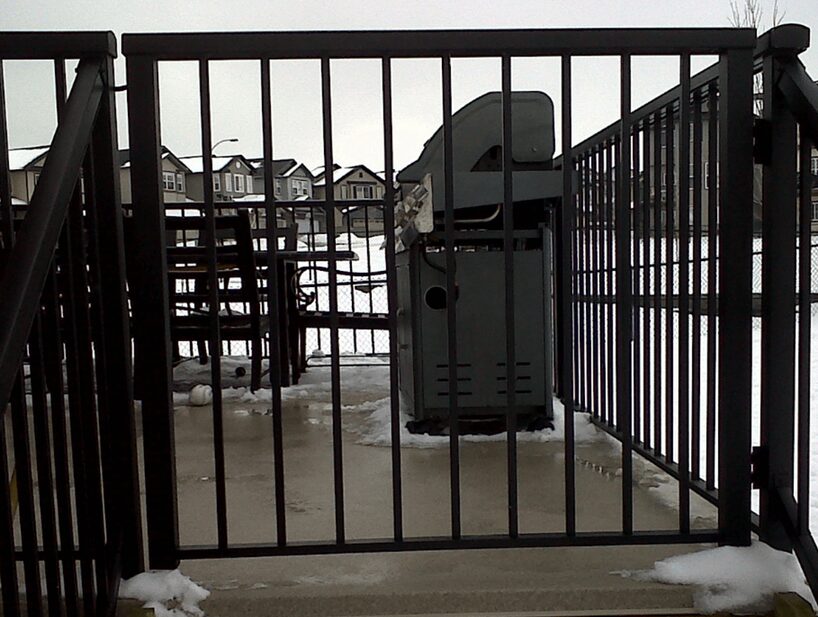
Alberta presents one of the most hostile environments in North America for building materials. Our province experiences extreme thermal cycling, where a morning temperature of -20°C can rise to +10°C by afternoon due to Chinook winds.
Thermal Expansion and Structural Stability
Wood expands and contracts unevenly based on its moisture content. This constant movement pulls at fasteners, loosening the connection between the railing posts and the deck frame. Over time, this leads to the “shaky railing” syndrome that plagues older wood decks.
Aluminum has a predictable coefficient of thermal expansion. Modern systems are engineered with internal pivot points and sleeved connections that allow the metal to breathe without compromising the structural load-path. This ensures that the railing remains rigid and safe regardless of the temperature.
UV Resistance and Powder Coating Standards
The high UV index in the Canadian Rockies acts like sandpaper on organic finishes. Wood stains fade and peel within seasons. McLean Railings utilizes advanced powder-coating technology that meets AAMA 2604 standards. This architectural-grade finish is electrostatically applied and baked on, creating a bond that is resistant to chalking and fading for decades.
This level of durability is essential for homes that face the harsh western sun or are located near high-traffic roads where winter road salt is frequently kicked up into the air. For a closer look at these finishes, you can browse the Modern Railing Project Portfolio.
The Structural Integrity Verification Protocol (SIVP)
When transitioning from wood to aluminum, the most critical step is verifying the hidden sub-structure. We recommend utilizing a framework called the Structural Integrity Verification Protocol (SIVP) to ensure your new investment is supported by a safe foundation.
The SIVP Framework
- The Fastener Audit: Inspect the existing rim joists where the previous wood posts were mounted. Wood rot often hides behind the post-to-joist connection. Any soft or “punky” wood must be replaced before installing aluminum base plates.
- Point-Load Analysis: Aluminum railings are often thinner and sleeker than wood, but they transfer concentrated loads more directly to the deck frame. The SIVP requires checking that the rim joists are doubled up and properly blocked to handle a minimum 200-lb concentrated load at any point on the top rail.
- Moisture Barrier Integration: When mounting aluminum base plates to a wood deck, a butyl-based flashing tape should be applied between the metal and the wood to prevent galvanic corrosion and moisture trapping.
- Fastener Compatibility: Ensure all lag bolts or structural screws are stainless steel or high-grade galvanized to prevent the chemical reaction that occurs when different metals meet treated lumber.
Step-by-Step Transition Checklist
If you are ready to upgrade your property, use this timeline to manage the logistics of a railing replacement project in Alberta.
Pre-Installation Phase (Weeks 1-2)
- [ ] Measurement: Measure the total linear footage and identify every 90-degree corner or stair transition.
- [ ] Permit Check: Verify with your local municipality (e.g., City of Calgary or City of Edmonton) if a building permit is required for a railing-only replacement.
- [ ] Sub-Structure Check: Use the SIVP framework to confirm your deck frame is sound.
Ordering and Logistics (Weeks 3-5)
- [ ] Request a Quote: Submit your measurements for a Custom Railing Quote.
- [ ] Colour Selection: Choose a finish that complements your home’s trim. In 2026, textured black and charcoal remain the most popular for resale value.
- [ ] Component Verification: Ensure your kit includes all necessary internal pivots for stairs and proper post-base covers.
Installation and Quality Control (Day of Install)
- [ ] Levelling: Use a laser level to ensure all posts are perfectly vertical. Aluminum reveals imperfections more clearly than rustic wood.
- [ ] Torque Check: Ensure all fasteners are tightened to the manufacturer’s specified torque.
- [ ] Cleanup: Remove any metal shavings immediately; if left on the deck, they can rust and stain the surface.
Local Logistics and Service Constraints
While aluminum is the superior material, there are realistic constraints that Alberta homeowners should understand before beginning a project.
1. Custom Fabrication Lead Times: Unlike pressure-treated lumber, which is stocked at every local hardware store, high-quality aluminum systems are often custom-cut and powder-coated to order. During the peak Alberta construction season (May through August), lead times can extend to 4-6 weeks. Planning your project in the winter or early spring is essential for a summer completion.
2. Existing Structural Limitations: Many older decks in neighbourhoods like Strathcona or Beltline were built with single-rim joists intended for wood 4×4 posts. These often lack the internal blocking required for the high-torque mounting of aluminum base plates. You may need to budget for “structural blocking” where a contractor adds additional 2×8 or 2×10 lumber to the frame to provide a solid mounting surface.
20-Year Lifecycle Comparison Table
This table illustrates the total economic and environmental impact of a 40-foot railing system over two decades.
| Feature | Pressure-Treated Wood | Aluminum Railing System |
| Initial Installed Cost | $1,200 – $1,800 | $2,800 – $4,500 |
| Maintenance Frequency | Every 2-3 Years | None (Annual Rinse) |
| Maintenance Cost (20 yrs) | $3,500 – $4,500 | $0 |
| Expected Lifespan | 10 – 12 Years | 30+ Years |
| Structural Integrity | Subject to warping/rot | Constant and Engineered |
| Sustainability | Hazardous Waste Landfill | 100% Recyclable |
| 20-Year Total Cost | $7,000+ (Includes Replacement) | $2,800 – $4,500 |
Common Mistakes and Troubleshooting
Common Mistakes
- Mixing Metals: Using standard steel screws with aluminum can cause a corrosive reaction. Always use stainless steel fasteners.
- Ignoring the Stair Angles: Many DIYers buy 45-degree fixed brackets for stairs, only to find their stairs are actually 36 degrees. This leads to gaps and safety failures. Always use an internal pivot system that adjusts to any angle.
- Underestimating Height Requirements: In Alberta, if your deck surface is more than 6 feet above the ground, your railing must be at least 42 inches high. Installing a 36-inch railing in this scenario will result in a failed inspection during a home sale. You can verify these details with the National Research Council Canada.
What To Do If Something Goes Wrong
- Surface Scratches: If your aluminum railing is scratched during installation, do not use standard spray paint. Use a manufacturer-approved touch-up pen that contains the same UV-resistant pigments as the original powder coating.
- Loose Posts: If a post becomes “wobbly,” the issue is almost always the wood sub-structure, not the railing itself. You may need to install structural through-bolts if the original lag screws have pulled through the wood grain.
- Cloudy Glass: If you have a glass/aluminum hybrid system and the glass appears cloudy, this is often caused by hard water deposits from lawn sprinklers. Use a mixture of white vinegar and water rather than harsh chemical cleaners to restore clarity without damaging the aluminum finish.
FAQ: Frequently Asked Questions about Railing Sustainability
Is aluminum really more sustainable than wood?
Yes. While wood is a renewable resource, pressure-treated wood is treated with toxic chemicals that prevent it from being recycled or composted. Aluminum is a permanent material that can be recycled infinitely, reducing the need for new mining and preventing hazardous waste from entering landfills.
How much does aluminum railing maintenance cost?
The cost is effectively zero. Unlike wood, which requires expensive stains and labour every few years, aluminum only needs an occasional rinse with water to remove environmental debris. This saves the average homeowner thousands of dollars over the product’s lifespan.
Does aluminum railing rust in the Alberta winter?
No. Unlike steel or wrought iron, aluminum creates its own protective oxide layer that prevents rust. When combined with a high-quality powder coating, it is immune to the moisture and road salt common in Alberta winters.
What is the ROI of switching to aluminum railings?
The ROI is two-fold. First, you save on the recurring costs of maintenance. Second, because aluminum is considered a premium, long-lasting material, it typically increases the resale value of a home by more than the initial cost of the upgrade.
Can I install aluminum railings on an old wood deck?
Yes, provided the underlying wood structure is in good condition. You must verify that the rim joists are not rotten and that there is sufficient blocking to support the concentrated loads required by the building code.
Conclusion
The decision to choose aluminum over wood is a transition from “short-term thinking” to “asset management.” In the 2026 market, the economic and environmental costs of wood maintenance are no longer justifiable for the modern homeowner. By selecting a high-performance aluminum system, you ensure a safe, beautiful, and maintenance-free outdoor space that withstands the unique challenges of the Alberta climate while protecting your long-term financial interests.
Ready to upgrade your home with a maintenance-free solution? Get a Custom Quote today to see how our engineered aluminum systems can transform your deck. Our team is ready to help you navigate the technical requirements of your specific project.